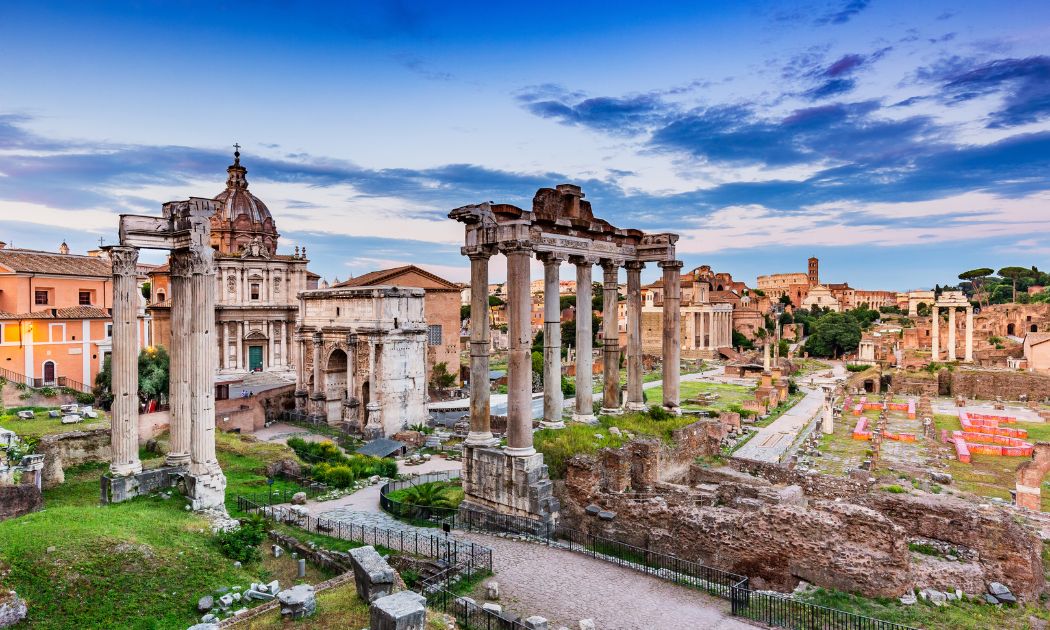
History is not just a record of past events—it is a powerful analytical tool. The rise and fall of ancient empires reveal patterns that remain relevant in understanding political systems, economic stability, and social cohesion. From the Roman Empire to the Mayan civilization, collapse rarely occurred overnight. Instead, it followed identifiable trends shaped by governance failures, environmental stress, economic imbalance, and external pressures. Examining these patterns helps students develop critical thinking skills and a deeper understanding of long-term societal change.
1. Overexpansion and Administrative Strain
One of the most consistent causes of collapse was territorial overexpansion. As empires grew, maintaining control over vast regions became increasingly complex. Communication delays, logistical challenges, and rising administrative costs weakened central authority.
For example, the Roman Empire expanded across Europe, North Africa, and parts of Asia. While this brought wealth and influence, it also stretched military and administrative systems. Managing distant provinces required significant resources, leading to inefficiencies and corruption.
2. Economic Instability and Resource Mismanagement
Economic decline often played a central role in imperial collapse. Heavy taxation, inflation, and reliance on limited resources destabilized economies. In many cases, wealth inequality widened, creating social unrest.
The decline of ancient Mesopotamian civilizations highlights the impact of environmental mismanagement. Intensive agriculture led to soil salinization, reducing crop yields over time. This weakened food security and economic productivity.
Similarly, the Roman economy suffered from overreliance on slave labor, reducing innovation and limiting long-term growth.
3. Political Corruption and Weak Leadership
Strong governance is essential for maintaining stability. Many empires collapsed due to ineffective leadership, internal power struggles, and corruption within ruling systems.
Frequent changes in leadership weakened political institutions. In the later Roman Empire, rapid turnover of emperors created instability and reduced public trust. Power struggles diverted attention from external threats and internal reforms.
Corruption further eroded administrative efficiency. Officials often prioritized personal gain over public welfare, leading to poor decision-making and declining institutional credibility.
4. Social Inequality and Internal Conflict
Social divisions weaken the unity of any civilization. When wealth and power become concentrated among elites, dissatisfaction grows among the general population.
In many ancient societies, rigid class structures limited social mobility. This created resentment and reduced loyalty to the state. Internal conflicts, including rebellions and civil wars, became more frequent.
The late Roman Empire experienced increasing inequality, with heavy tax burdens placed on lower classes while elites maintained privileges. This imbalance reduced social cohesion and contributed to instability.
5. Environmental Challenges and Climate Change
Environmental factors played a significant role in the decline of several ancient civilizations. Droughts, floods, and changing climate patterns disrupted agriculture and weakened economies.
The Mayan civilization is often cited as an example of environmental stress contributing to collapse. Prolonged droughts affected food production, leading to population decline and urban abandonment.
Similarly, deforestation and soil depletion in various regions reduced agricultural capacity, making societies vulnerable to famine.
6. External Invasions and Military Pressure
No empire existed in isolation. External threats, including invasions and conflicts with neighbouring groups, often accelerated decline.
The fall of the Western Roman Empire was influenced by repeated invasions from Germanic tribes. While internal weaknesses existed, external pressures exposed and intensified these vulnerabilities.
Military overextension also drained resources. Maintaining large armies required significant funding, which strained economies already facing challenges.
7. Cultural and Institutional Decline
Cultural strength and institutional integrity are often overlooked factors in the study of collapse. When shared values weaken and institutions lose credibility, societies become more vulnerable.
In many empires, declining civic participation and reduced commitment to public institutions contributed to instability. When citizens lose trust in governance systems, cooperation decreases.
Education, cultural identity, and institutional continuity play a vital role in maintaining societal cohesion.
Read More-MBA Entrance Exam Timeline: Smart Prep Plan, Key Phases & Winning Strategy
Modern Relevance of Ancient Collapses
Understanding ancient empires is not just about history—it provides insights into modern challenges. Issues such as economic inequality, environmental degradation, political instability, and global conflict continue to shape societies today.
Students can apply these historical lessons to analyze current global trends. For example, rapid urbanization, resource depletion, and governance challenges in modern states reflect patterns seen in ancient civilizations.
By studying these parallels, learners develop analytical skills useful in economics, political science, and general awareness.
Conclusion
Ancient empires did not collapse due to a single cause. Instead, decline resulted from a combination of internal weaknesses and external pressures. Overexpansion, economic instability, political corruption, social inequality, environmental stress, and military challenges collectively shaped their downfall.
For students, these lessons offer more than historical knowledge. They provide frameworks for understanding complex systems and recognizing early warning signs of instability. By analyzing the past, learners can better interpret the present and anticipate future challenges.
FAQs
1. Why do most ancient empires collapse over time?
Most collapses result from multiple interconnected factors such as economic decline, weak governance, environmental stress, and external invasions rather than a single cause.
2. How is the fall of ancient empires relevant today?
The patterns observed in ancient collapses—like inequality, resource mismanagement, and political instability—are still visible in modern societies, making them important for analysis and learning.
3. Which factor is considered the most important in empire collapse?
There is no single dominant factor. However, weak governance combined with economic instability often plays a central role in accelerating decline.