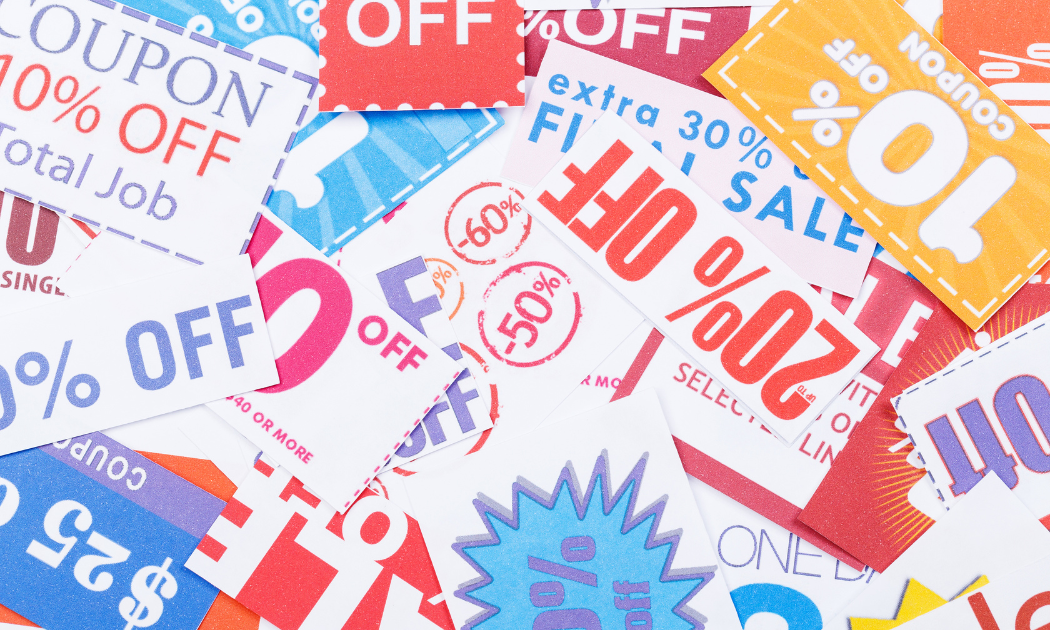
Discounts are everywhere. From online shopping apps to local bookstores, students constantly see words like sale, offer, limited-time deal, and student discount. Even when we were not planning to buy something, a discount can suddenly make the product feel irresistible. But why do discounts feel like wins? The answer lies in psychology, behavioural economics, and the way our brains process value and reward.
This article explores why discounts are so powerful, how businesses use them strategically, and what students should understand to become smarter consumers.
The Psychology of Getting a “Good Deal”
At the core of discounts is the human love for winning. When we see a reduced price, our brain interprets it as a gain rather than just a lower cost. Even though we are still spending money, it feels like we are saving something. Psychologists call this perceived value. The satisfaction does not come from the product alone, but from the belief that we outsmarted the system.
Studies show that the brain releases dopamine—a chemical linked to pleasure and reward—when people believe they are getting a bargain. This means discounts trigger emotional responses, not just logical thinking. For students on limited budgets, this effect is even stronger because saving money feels like financial success.
Anchoring: Why Original Prices Matter
One important concept behind discounts is price anchoring. When a product shows an original price crossed out next to a discounted price, the higher number becomes the reference point. For example, seeing a jacket marked down from $100 to $60 makes the $60 price seem attractive, even if $60 is still expensive.
Without the original price, students might evaluate the product differently. Anchoring shifts focus away from “Do I need this?” toward “I am saving $40.” Businesses use this tactic intentionally because it reframes spending as saving.
Scarcity and Urgency Increase Excitement
Another reason discounts feel like wins is scarcity. Phrases such as limited time offer, only today, or while supplies last create urgency. When people think an opportunity may disappear, they are more likely to act quickly.
This is linked to loss aversion, a psychological principle stating that people fear losing potential gains more than they enjoy gaining something new. Missing a discount feels like a loss, even if the purchase was unnecessary. For students, this pressure can be intense, especially during sales seasons like back-to-school or holiday promotions.
Social Proof and Student Discounts
Discounts also feel rewarding because of social influence. When many people are buying during a sale, it signals that the decision is socially approved. Seeing friends share deals on social media or classmates talk about sales reinforces the idea that buying at a discount is smart behaviour.
Student-specific discounts add another layer. They make students feel recognized and valued as a group. When a brand offers a student discount, it creates a sense of exclusivity, as if students are part of a special club. This emotional connection can turn a simple price cut into a positive brand experience.
Read More-Is Neutrality Ever Truly Neutral?
Mental Accounting: Saving vs. Spending
Mental accounting refers to how people categorize money in their minds. When students save money through discounts, they often place those savings into a “bonus” category. This can justify additional spending later, such as buying extra items because the discount created “room” in the budget.
For example, saving $10 on a textbook might make a student feel comfortable spending that $10 on coffee or entertainment. Even though total spending remains the same, the discount feels like free money. This explains why discounts can lead to higher overall consumption.
Why Businesses Love Discounts
From a business perspective, discounts are not just generosity; they are strategic tools. Discounts attract attention, increase short-term sales, clear inventory, and encourage trial purchases. For students, discounts often introduce brands that later become regular choices.
However, businesses must balance discounts carefully. If discounts are too frequent, customers may stop valuing the full price. This is why many companies use seasonal sales or limited offers rather than constant price cuts.
Becoming a Smarter Student Consumer
Understanding why discounts feel like wins can help students make better financial decisions. Before buying something on sale, it is useful to ask a few questions:
- Would I buy this at full price?
- Do I actually need this item right now?
- Am I responding to urgency rather than real value?
Discounts are not inherently bad. They can genuinely help students save money on essentials like textbooks, software, transportation, and food. The key is awareness. When students recognize the psychological triggers behind discounts, they can enjoy the benefits without falling into unnecessary spending.
Conclusion
Discounts feel like wins because they tap into deep psychological mechanisms such as reward, scarcity, social approval, and perceived savings. For students, these effects are amplified by limited budgets and constant exposure to promotional messaging. By understanding the psychology behind discounts, students can shift from impulsive buying to informed decision-making. In doing so, discounts can remain helpful tools rather than emotional traps—and real financial wins become possible.