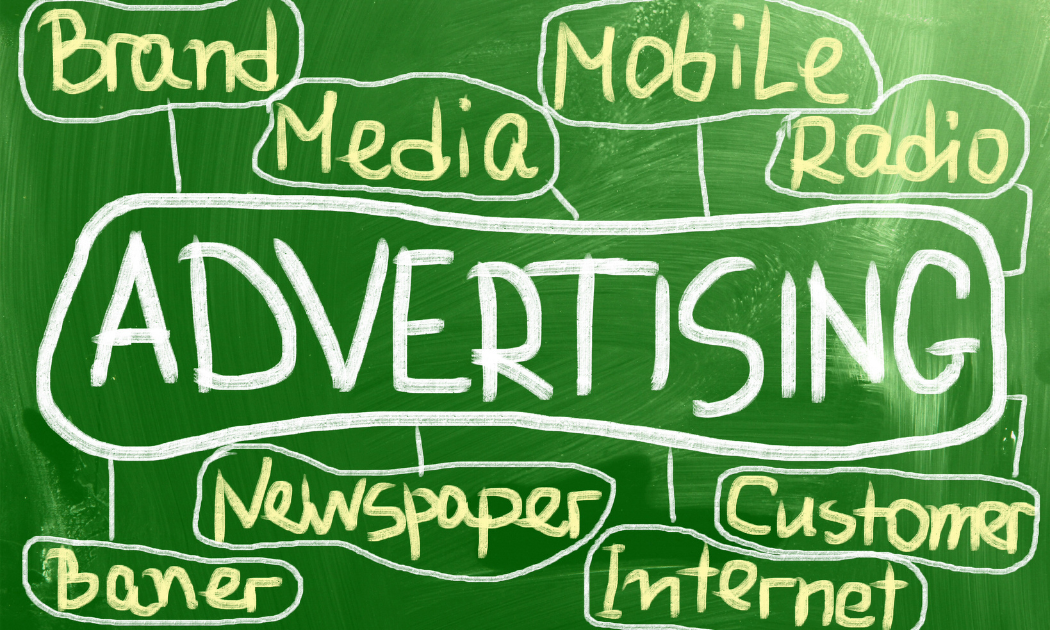
Advertising is one of the most powerful forces shaping modern consumer behaviour. Every day, marketers, advertisers, and media platforms expose people to thousands of messages designed to influence what they buy, how they think, and even what they believe they cannot live without.
For students studying business, marketing, or media, understanding how advertising redefines the idea of “need” is essential. Advertising creates, shapes, and expands needs through stories, images, and promises, moving them far beyond simple survival.
Understanding the Concept of “Need”
Traditionally, a need referred to something required for basic living, such as food, clothing, shelter, and safety. In economic terms, economists distinguished needs from wants, considering wants optional or related to comfort and pleasure. However, in a consumer-driven economy, this line has become increasingly blurred. Advertising has played a major role in changing how people define what is essential.
For example, a mobile phone was once a luxury. Today, advertisements present smartphones as a necessity for education, work, social life, and even personal safety. By repeatedly showing how a product fits into every aspect of daily life, advertising reframes it as something people “must” have rather than something they simply want.
How Advertising Shapes Consumer Perception
Advertising does more than inform people about products. It creates meaning around them. Through visuals, language, and emotional appeals, ads suggest that owning certain items leads to happiness, success, confidence, or social acceptance. When people begin to associate these positive feelings with a product, the product starts to feel necessary.
For instance, many beauty and fashion brands advertise in a way that links their products to self-worth. A person may begin to feel that without a certain brand of clothing, shoes, or cosmetics, they are less attractive or less confident. Over time, what began as a preference turns into a perceived need.
This psychological process is known as emotional branding. Instead of selling just a product, advertisers sell a lifestyle, an identity, or a dream. Consumers then feel that they need the product to become the person they want to be.
The Role of Media and Technology
Modern advertising uses digital platforms, social media, and data-driven marketing to reach people in highly personal ways. Algorithms track online behaviour, interests, and purchasing habits. As a result, users are shown ads that closely match their desires and weaknesses.
This targeted advertising makes messages more persuasive. When someone repeatedly sees ads for fitness products after searching for workout tips, they may start to believe that owning certain equipment is essential for getting healthy. The repetition and personalization of these messages reinforce the idea that the product solves a real problem.
Influencers also play a major role in redefining need. When popular social media figures promote certain products, their followers often view those products as necessary to achieve a similar lifestyle. This creates a powerful link between consumption and identity, especially among young people.
Advertising and the Creation of Artificial Needs
One of the most important effects of advertising is the creation of artificial needs. These are desires that feel urgent and necessary, even though they are not required for basic living. For example, people may feel that they need the latest phone model, even if their current device works perfectly well.
Advertising encourages this by focusing on what a product lacks rather than what it already provides. A new version is marketed as faster, smarter, or more stylish, making the older version seem outdated. This strategy pushes consumers into constant upgrading, creating a cycle of buying driven by perceived need.
Seasonal sales, limited-time offers, and exclusive releases also increase this feeling. When advertisements suggest that a product is scarce or only available for a short time, people fear missing out. That fear turns desire into urgency, which feels like need.
Read More-Why People Talk to Screens Differently Than Humans
The Impact on Student Consumers
Students are one of the most targeted groups in advertising. Companies promote products related to fashion, technology, food, entertainment, and education. Many ads suggest that certain products are necessary for academic success, social life, or personal image.
For example, advertisements for laptops and software often imply that students cannot succeed without the latest tools. While technology is important for learning, marketing often exaggerates this need, pushing students to spend more than they can afford.
Understanding how advertising works helps students make more informed decisions. By recognizing persuasive techniques, they can separate real needs from those created by marketing.
Economic and Social Effects
The redefinition of need has large economic and social consequences. On one hand, advertising-driven consumption supports businesses, creates jobs, and encourages innovation. On the other hand, it can lead to overspending, debt, and environmental problems.
When people feel they constantly need new products, they consume more resources and create more waste. This puts pressure on the environment and contributes to global issues such as pollution and climate change.
Socially, the pressure to own certain products can also increase inequality. Those who cannot afford the latest trends may feel excluded or less valued. Advertising can unintentionally reinforce the idea that a person’s worth is tied to what they own.
Developing Critical Thinking About Advertising
To avoid being controlled by advertising, consumers need to develop critical thinking skills. This means questioning the messages they see and asking whether a product is truly necessary. Students should learn to analyze ads by looking at the emotions they use, the promises they make, and the problems they claim to solve.
Media literacy education can help young people understand how advertising works and why it is so effective. When students realize that many needs are created rather than discovered, they become more empowered as consumers.
Conclusion
Advertising has transformed the meaning of “need” in modern society. What once referred only to basic survival now includes a wide range of products and services shaped by marketing messages. Through emotional appeals, targeted digital strategies, and lifestyle branding, advertising turns wants into perceived necessities.
For students, understanding this process is crucial. By learning how advertising influences choices, they can make smarter, more responsible decisions. In a world filled with persuasive messages, the ability to distinguish between true needs and manufactured ones is an important skill for both personal and academic success.