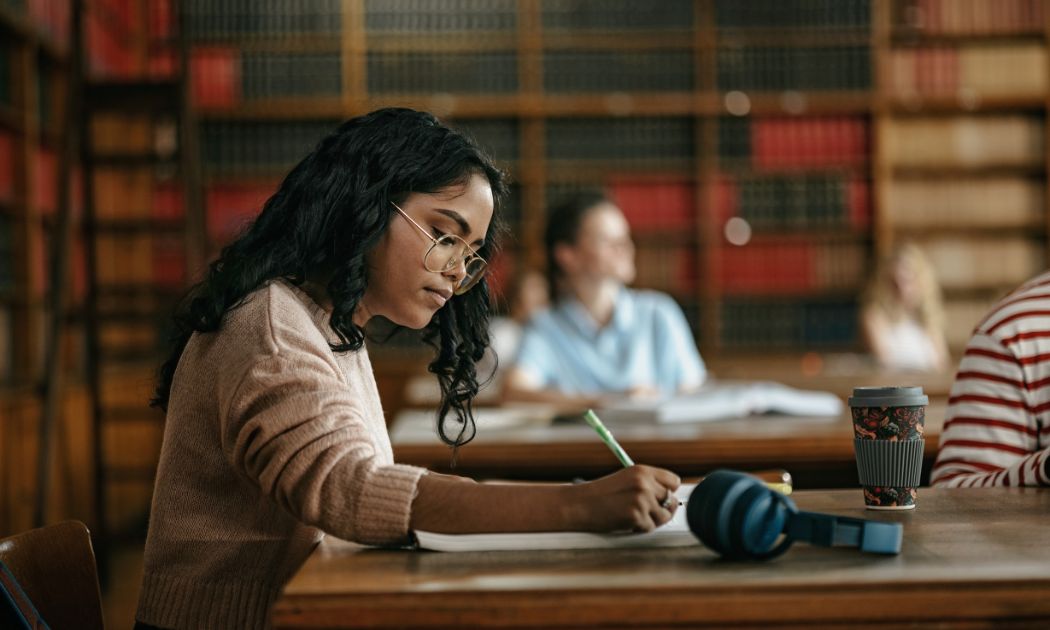
Human behaviour often changes depending on who is present. Many people act politely, responsibly, and carefully when others observe them. However, a person’s true character becomes visible when no one is watching. Private behaviour reveals personal values, discipline, and integrity. For students preparing for management entrance tests, understanding this concept can help build strong habits that influence long-term success.
The Meaning of Private Behaviour
Private behaviour refers to the actions people take when they believe nobody is observing them. In such situations, social pressure disappears. Individuals rely only on their internal values and self-discipline.
Some people continue to act responsibly even without supervision. They complete their work honestly, follow rules, and respect others. Others may behave differently. They might ignore responsibilities, waste time, or act in ways they would avoid in public.
Psychologists often connect private behaviour with integrity. Integrity means doing the right thing even when recognition or punishment is absent. For students, this idea plays a crucial role in academic growth and personal development.
Why Character Appears in Private Moments
Public situations often influence behaviour through expectations. People want approval from teachers, friends, or society. As a result, they adjust their actions to fit those expectations.
When privacy removes that external pressure, internal principles guide decisions. This is why private moments reveal authentic personality traits such as honesty, responsibility, and discipline.
For example, a student studying alone may choose between focused learning and social media distractions. Nobody may check how they spend that time, yet their choice determines productivity. Repeated decisions in such moments gradually shape academic results and professional skills.
The Role of Self-Discipline
Self-discipline is the ability to control actions, emotions, and habits without external supervision. It allows individuals to stay committed to goals even when motivation fluctuates.
Students who develop self-discipline manage their time effectively. They follow study schedules, review mistakes, and practice consistently. These behaviors often happen privately, without praise or recognition.
Self-discipline also reduces procrastination. Instead of delaying tasks, disciplined learners start early and maintain steady progress. Over time, this approach builds confidence and improves problem-solving ability.
Digital Behaviour and Personal Responsibility
Modern technology creates many situations where people act without observation. Online platforms allow users to communicate, comment, and share opinions with little accountability.
Some individuals misuse this freedom by spreading negativity or misinformation. Others use technology responsibly, sharing knowledge, supporting peers, and maintaining respectful communication.
Responsible digital behaviour reflects maturity and awareness. Students who practice ethical online conduct develop professional communication skills that remain valuable throughout their careers.
Read More-What Failing Your First CAT Mock Test Teaches You
Small Habits That Reveal True Values
Private behaviour often appears in everyday habits. These habits may seem minor, yet they strongly influence long-term success.
Examples include:
- Completing assignments honestly
- Reviewing mistakes after practice tests
- Maintaining organized notes
- Managing time effectively
- Avoiding shortcuts during learning
Each of these actions occurs without supervision. However, they build competence and reliability. Over time, such habits create a strong foundation for academic performance and career growth.
Building Integrity Through Daily Actions
Integrity does not develop instantly. It grows through repeated choices that reflect honesty and responsibility.
Students can strengthen integrity through simple practices:
- Set clear study goals
Clear goals provide direction and reduce distractions. - Track daily progress
Recording tasks encourages accountability. - Reflect on decisions
Self-reflection helps identify productive and unproductive habits. - Practice honesty in learning
Solving problems independently improves analytical thinking. - Respect personal commitments
Following a schedule strengthens reliability.
These actions gradually transform discipline into a natural habit.
Psychological Benefits of Responsible Behaviour
Positive private behaviour offers several psychological advantages. It improves confidence, reduces stress, and strengthens focus.
When individuals complete tasks honestly, they develop a sense of achievement. This internal satisfaction often motivates further effort. On the other hand, avoiding responsibilities may create guilt and anxiety.
Consistent discipline also improves concentration. A structured routine reduces decision fatigue and allows the brain to focus on problem solving and learning.
Read More-What Failing Your First CAT Mock Test Teaches You
Long-Term Impact on Professional Life
Private behaviour influences more than academic results. It shapes professional reputation and leadership potential.
Managers and leaders often make decisions without supervision. They must rely on personal judgment, ethical standards, and responsibility. Individuals who practice these qualities early find it easier to handle complex situations later.
Employers value professionals who demonstrate reliability and integrity. Such qualities cannot be developed overnight. They emerge from everyday actions performed quietly over many years.
Developing Awareness of Personal Choices
Recognizing the importance of private behaviour helps students become more aware of their choices. Awareness allows individuals to evaluate whether their actions support or weaken their goals.
A useful method is daily reflection. At the end of each day, students can ask simple questions:
- Did I use my study time effectively?
- Did I avoid unnecessary distractions?
- Did I learn something new today?
These reflections encourage improvement without external pressure.
Conclusion
Human behaviour in private moments reveals genuine character. Actions performed without observation demonstrate honesty, discipline, and personal responsibility. For students, these qualities influence learning habits, confidence, and future leadership potential.
Small decisions made during solitary study sessions or online interactions gradually shape long-term success. By practicing integrity, managing time effectively, and staying committed to personal goals, students can build strong habits that support both academic achievement and professional growth.
FAQs
1. Why do people behave differently when no one is watching?
People often adjust behaviour due to social expectations and external observation. When privacy removes that pressure, personal values and self-discipline guide decisions.
2. How can students develop self-discipline?
Students can build self-discipline by setting clear goals, following a study routine, tracking progress, and reducing distractions during study time.
3. Why is private behaviour important for future careers?
Private behaviour develops integrity and responsibility. These qualities influence decision-making, leadership ability, and professional reputation in the workplace.